Learn English by reading real books
Tap any word for an instant translation to your native language. Ask the AI about grammar. Build an English vocabulary from books you actually want to read.
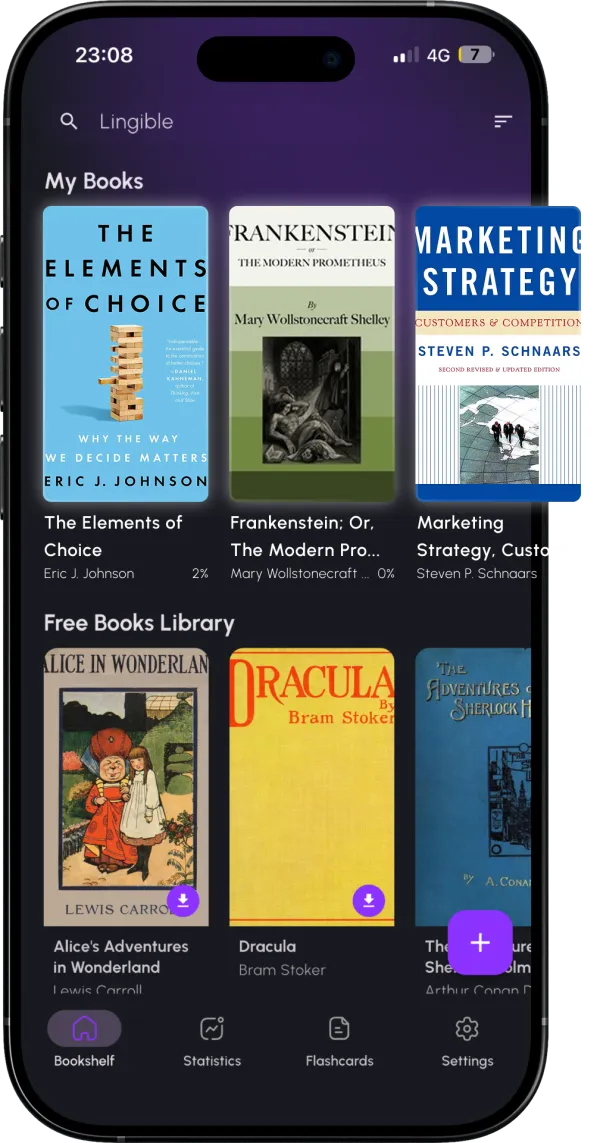
Tap any word for an instant translation to your native language. Ask the AI about grammar. Build an English vocabulary from books you actually want to read.
Three steps to learning a language through reading
Browse 67,000+ free titles in 40+ languages or upload your own EPUB, PDF, MOBI, TXT, or FB2.
Tap any word for an instant translation with pronunciation and grammar. Ask the AI to explain a phrase or chapter.
Every word you save becomes a flashcard. Review on your schedule. Track mastery per book.
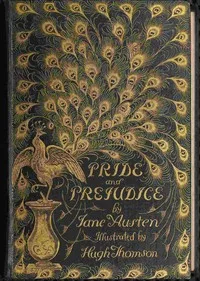
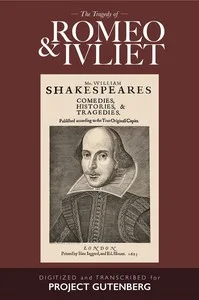
Start with whichever you hear most in your life. If you watch American shows, read American authors (Hemingway, Fitzgerald). If your job involves UK English, read Brontë, Orwell, or contemporary British novels. Switching later is easy — the difference is mostly spelling and a few words.
Yes, more than you'd expect. Fiction teaches you how native speakers construct sentences, when to be direct vs. tactful, and how register shifts — all skills you need in emails and meetings. Mix in a non-fiction book (business memoir, long-form journalism) every few novels for vocabulary specific to your field.
Hemingway is famously readable — short sentences, common words. Orwell's <em>Animal Farm</em> is short and accessible. For more challenge, try Murakami in English translation, John Green's YA novels, or modern thrillers. Avoid Shakespeare or 19th-century British literature until advanced — they're great but the vocabulary is archaic.
Yes. Upload an EPUB, PDF, MOBI, TXT or FB2 file and tap-to-translate works exactly as it does on the catalogue books.